
Customer Experience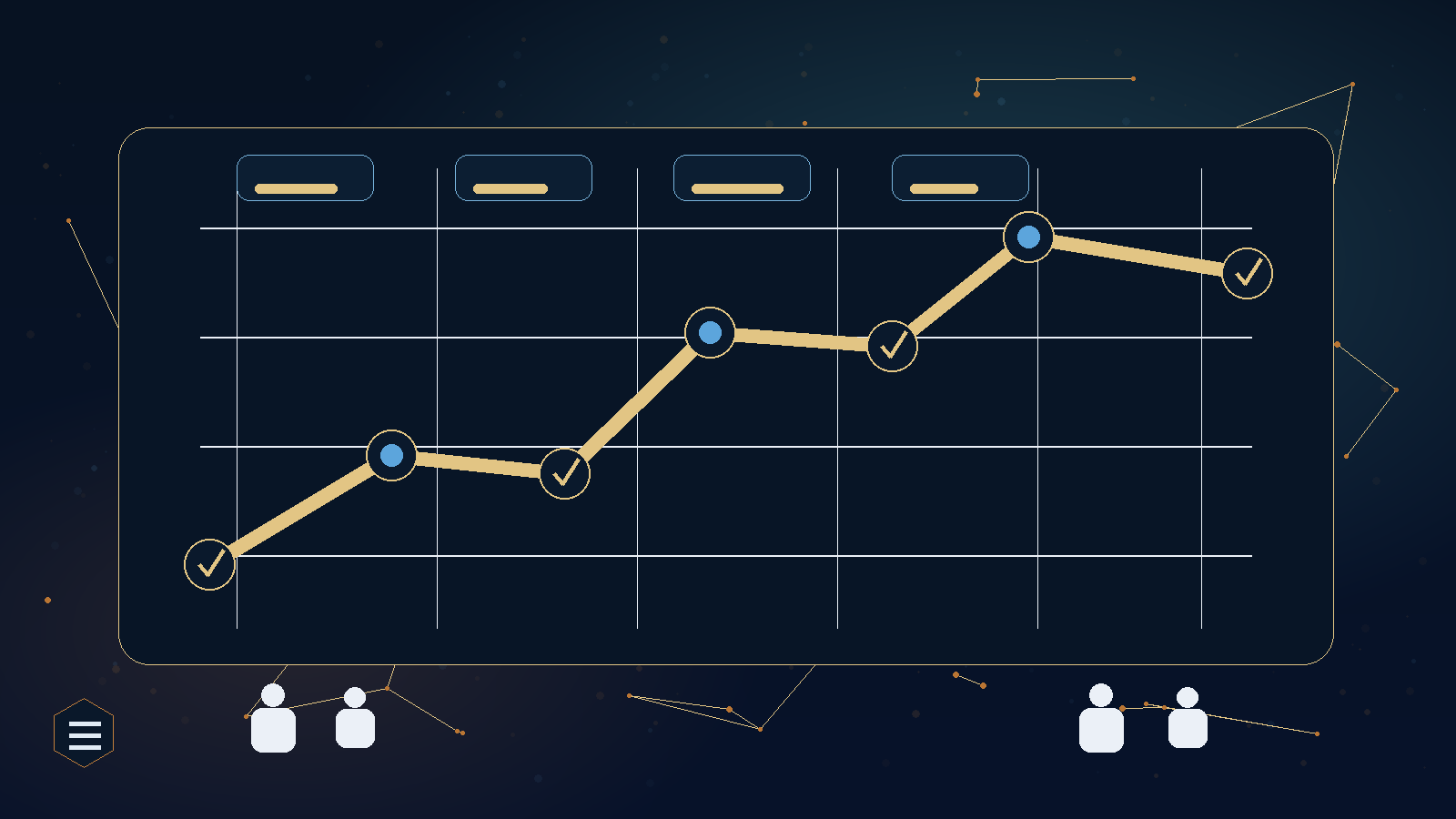
Use journey mapping to improve customer experience
Superior CX is created when organisations understand journeys end to end, not only individual transactions.
Customers experience the organisation as one brand, even when the organisation is divided into functions. Journey mapping helps leaders see the handoffs, delays and gaps that customers experience across departments and channels.
A good journey map begins with what the customer is trying to achieve. Internal process steps are important, but the customer goal is the anchor. This prevents teams from optimising internal tasks while leaving customer effort unchanged.
Every journey has moments where trust is won or lost: first response, document submission, approval, payment, complaint handling, delivery, renewal or service recovery. These moments should receive disproportionate attention.
Operational metrics, CRM data, call reasons, digital drop-offs and customer feedback should be linked to each stage. This turns a qualitative map into an improvement system.
Journey mapping should produce an improvement backlog, owners, timelines, dashboards and governance cadence. Without follow-through, it becomes a design artifact rather than a transformation tool.
Run a focused journey mapping sprint for one priority customer journey and convert the findings into measurable CX improvements.